HomeDestinationsContinentsCountriesBlog

Budget Travel Tips for India – Save Money & Travel Smart | Travel Nexus World
budget travel tips for India

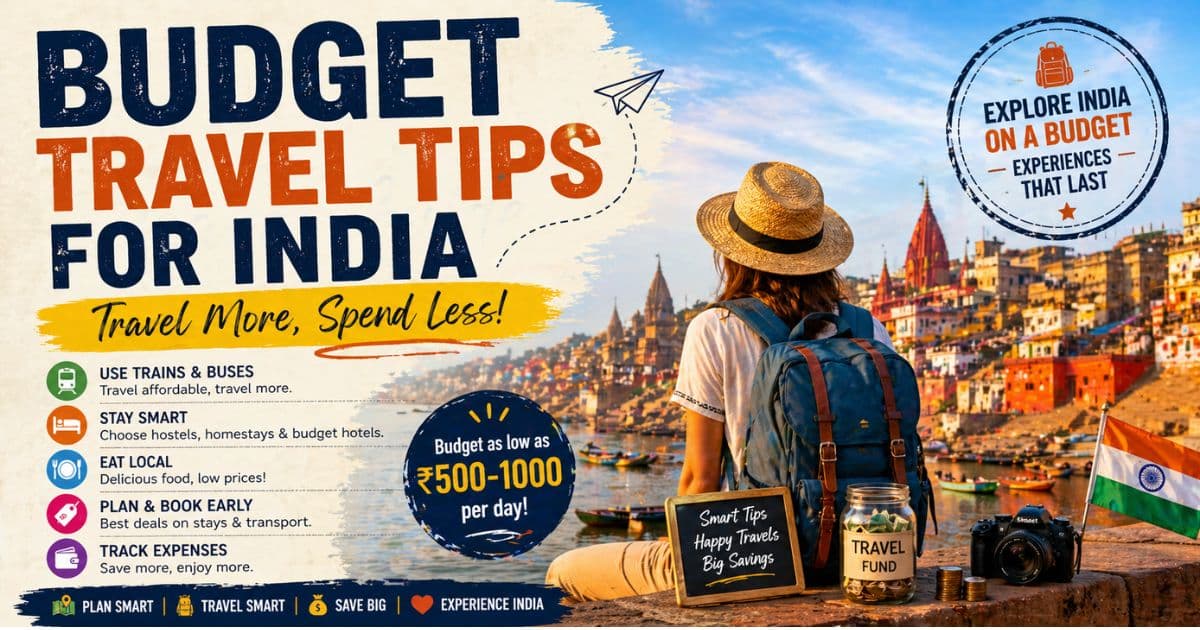
If you are looking for the best budget travel tips for India, you have come to the right place. India is one of the most affordable countries in the world for travellers. Whether you are a solo backpacker, a couple on a tight budget, or a first-time international tourist, India offers incredible experiences without burning a hole in your pocket.

In this guide, you will learn how to cut travel costs, where to stay cheap, what to eat on a budget, and how to plan a smart trip across India. Let's get started.

Budget Travel Tips for India – Quick Overview

India is a massive and diverse country. From the mountains of Himachal Pradesh to the beaches of Goa, there is something for every type of traveller. The good news is that cheap travel in India is very much possible if you plan wisely.

Here is a rough idea of daily travel budgets in India:

  • Budget traveller: ₹1,000 – ₹1,500 per day (roughly $12–$18 USD)
  • Mid-range traveller: ₹2,500 – ₹5,000 per day
  • Comfort traveller: ₹5,000 and above per day

India suits every type of budget travel style – backpacking alone, travelling in groups, or slow travel through specific regions. The key is knowing where to spend and where to save.

Cheapest Ways to Travel in India

Transport is usually the biggest travel expense. In India, you have several low-cost options to get around.

Train Travel – Best Option for Budget Travellers

Indian Railways is the backbone of budget travel in India. With over 13,000 trains running daily, it connects almost every major city and town. Trains are safe, affordable, and often the most comfortable way to cover long distances.

For budget travellers, the key classes to consider are:

  • Sleeper Class (SL): The most affordable option for overnight journeys. Basic but functional. No AC.
  • AC 3 Tier (3A): Slightly more expensive but much more comfortable. Great for long routes.
  • Second Seating (2S): Best for short daytime trips. Very cheap.

Always book tickets in advance through the IRCTC website or app. Trains fill up fast, especially during holidays and weekends. Tatkal quota is available for last-minute bookings at a small extra charge.

Check out our India train travel guide for beginners for a step-by-step walkthrough of booking and planning train journeys across the country.

Bus Travel

State government buses are the cheapest way to travel between cities and towns. They are basic but will save you a lot of money. Private sleeper buses are more comfortable and ideal for overnight journeys between popular tourist cities like Jaipur, Udaipur, or Goa.

Use apps like RedBus or AbhiBus to compare prices and book seats in advance.

Budget Flights

Domestic flights in India can be surprisingly affordable if you book early. Airlines like IndiGo, SpiceJet, and Air India Express often offer low fares 4–6 weeks in advance. Always compare prices across platforms like Google Flights, MakeMyTrip, or EaseMyTrip before booking.

Avoid peak travel dates like Diwali, Christmas, and school holidays if you want the lowest fares.

Cheap Accommodation Options in India

Finding affordable accommodation is easy across India. Here are the best options for budget travellers.

Hostels

Hostels are the most budget-friendly places to stay, especially for solo travellers. Dormitory beds can cost as little as ₹300–₹600 per night in major cities. Cities like Delhi, Jaipur, Varanasi, and Bangalore have excellent hostels with good reviews.

Top hostel booking platforms include Hostelworld, Booking.com, and GoStops (India-specific).

Budget Hotels

OYO Rooms and similar budget hotel chains offer clean, affordable private rooms starting from ₹500–₹800 per night. Local guesthouses and dharamshalas (in pilgrimage towns) are also excellent cheap options. Always read recent reviews before booking.

Homestays

Staying with a local family through platforms like Airbnb or local homestay networks gives you an authentic Indian experience at a very reasonable cost. Homestays often include breakfast, which adds extra value. They are especially popular in rural areas, hill stations, and off-the-beaten-path destinations.

How to Save Money on Food in India

Food in India is among the cheapest and most delicious in the world. Here is how to eat well without overspending.

  • Eat at local dhabas: These roadside restaurants serve hearty meals for ₹50–₹150. Dhal, rice, roti, and sabzi are staples that fill you up cheaply.
  • Try street food: From chaat in Delhi to vada pav in Mumbai, street food is both affordable and incredibly tasty. A full snack rarely costs more than ₹30–₹80.
  • Avoid tourist restaurants: Restaurants near famous monuments often charge double or triple the local price. Walk a few streets away to find the same food much cheaper.
  • Thali meals: An all-you-can-eat thali at a local restaurant is one of the best value meals you can find in India, often costing just ₹100–₹200.
  • Cook occasionally: If you are staying in a hostel or homestay with a kitchen, cooking a few meals yourself can further cut food costs.

Budget Travel Itinerary for India

Here is a practical budget India itinerary for 7 days covering some of the most popular tourist spots in North India.

7-Day Budget India Trip – Golden Triangle

Day 1–2: Delhi
Explore Old Delhi – Red Fort, Jama Masjid, Chandni Chowk (free entry or minimal cost). Visit India Gate and Humayun's Tomb. Use the Delhi Metro for all transport – it is fast and cheap. Eat at local parathawalas and chai stalls.

Day 3: Agra
Take an early morning train from Delhi to Agra (2–3 hours, under ₹200 in Sleeper class). Visit the Taj Mahal (entry ₹50 for Indian citizens, ₹1,100 for foreign tourists). Agra Fort is also worth a visit. Return to Delhi or head directly to Jaipur by bus or train.

Day 4–5: Jaipur
The Pink City is full of budget-friendly attractions. Visit Amber Fort, Hawa Mahal, City Palace, and Jantar Mantar. Jaipur has excellent hostels and cheap local food. Explore the bazaars but bargain well before buying anything.

Day 6–7: Local Exploration
Use these days to revisit any favourite spots, explore a day trip to Pushkar or Fatehpur Sikri, or rest. This buffer also helps if trains are delayed or plans change.

Estimated total cost for this 7-day trip: ₹7,000–₹12,000 per person (excluding flights to Delhi).

How to Plan a Budget Trip to India

  • Set a realistic daily budget: Decide how much you want to spend each day and track it using a simple notes app or a travel budget tracker.
  • Choose destinations wisely: Smaller towns and off-beat places are almost always cheaper than popular tourist hubs. Mix famous spots with lesser-known ones.
  • Travel off-season: Visiting hill stations in spring or beach destinations in early monsoon can cut accommodation costs by 30–50%. Avoid peak holiday seasons.
  • Book in advance: Trains, buses, and hostels get booked up quickly. Booking 2–3 weeks ahead locks in the best prices and ensures availability.
  • Use free resources: Many museums have free entry days. National parks, temples, and local markets are free to explore.

Money Saving Travel Tips for India

  • Use public transport: Auto-rickshaws, local buses, and the Metro are far cheaper than taxis or ride-hailing apps for short trips. Always use metered autos where available.
  • Bargain in local markets: In bazaars and street markets, the first price quoted is almost always negotiable. A polite but firm bargain can get you 20–40% off.
  • Travel in groups: Splitting costs on private taxis, shared rooms, or cooking together dramatically reduces individual expenses.
  • Use travel apps: Apps like IRCTC Rail Connect, RedBus, Google Maps, and UPI payment apps (PhonePe, Google Pay) make travel smoother and help avoid overcharging.
  • Get a local SIM card: A local prepaid SIM with a data plan (Jio or Airtel) costs very little and keeps you connected for navigation, bookings, and communication.

Common Mistakes to Avoid

  • Overplanning: India works better with some flexibility. Rigid itineraries often lead to expensive last-minute changes.
  • Booking expensive hotels without comparing: Always check multiple platforms before booking. Prices vary widely for the same property.
  • Not comparing prices: Whether it is flights, trains, or hotels, prices differ across booking platforms. Spend 10 minutes comparing before confirming.
  • Ignoring local transport: Many travellers default to taxis or Ola/Uber for every trip. Using the Metro, local bus, or shared auto can save hundreds of rupees daily.
  • Exchanging currency at airports: Airport forex counters have poor rates. Use ATMs in the city or a bank branch for better exchange rates.

Travel Tips for First-Time Budget Travellers in India

  • Keep both cash and UPI ready: Many street vendors, local dhabas, and small shops still prefer cash. At the same time, UPI apps like Google Pay and PhonePe are widely accepted and very convenient.
  • Stay safe: India is generally safe for tourists, but use common sense. Keep your valuables in a money belt or hidden pouch. Avoid sharing travel plans with strangers.
  • Avoid common tourist scams: Watch out for fake tour guides, overpriced rickshaw rides, and gem scams in cities like Agra and Jaipur. If an offer sounds too good, it usually is.
  • Pack light: A lighter backpack means easier movement, cheaper luggage storage, and better mobility on trains and buses. Stick to essentials.
  • Learn a few Hindi phrases: Knowing basic words like "kitna?" (how much?), "shukriya" (thank you), and "nahi chahiye" (I don't want it) can help you navigate markets and interactions with confidence.

For a deeper look at staying safe while travelling on a shoestring, explore our solo travel safety tips for India – a must-read for first-timers.

Latest Budget Travel Trends in India

India's travel landscape has changed significantly in recent years. Here are some trends shaping how people travel on a budget today:

  • Growth of backpacking culture: More young Indians and international travellers are choosing hostel-based, slow-paced backpacking over traditional package tours. This has led to better budget infrastructure across the country.
  • Solo travel on the rise: Solo travel – especially among women – has grown significantly. Communities and apps now support solo travellers with safety resources, group meetups, and shared itinerary planning.
  • Digital nomads: India is becoming a popular base for remote workers. Cities like Bangalore, Pune, and Rishikesh now have co-working spaces and long-stay accommodation options aimed at digital nomads on mid-range budgets.
  • AI and travel apps: Travellers increasingly use AI tools and apps to plan routes, find deals, and manage budgets. Apps like Google Trips, TripIt, and local platforms have made low cost travel in India more accessible than ever.

People Also Ask

How much money is needed to travel India on a budget?

A budget traveller can comfortably explore India on ₹1,000–₹1,500 per day (approximately $12–$18 USD). This covers basic accommodation, food, local transport, and entry to sights. For a 7-day trip, budget around ₹10,000–₹15,000 excluding flights.

What is the cheapest way to travel in India?

Train travel in Sleeper class is by far the cheapest way to cover long distances. For shorter routes, state-run buses are the most affordable. Within cities, the Metro and shared autos are the best low-cost options.

Is India good for budget travel?

Yes, absolutely. India is one of the most budget-friendly destinations in the world. Accommodation, food, and transport are all very affordable compared to Western countries, making it ideal for backpackers and budget-conscious travellers.

How to save money while travelling in India?

Travel by train, eat at local dhabas, stay in hostels or budget guesthouses, use public transport, bargain in markets, book in advance, and travel during the off-season. These habits alone can reduce your daily spend by 40–50%.

Conclusion

India is one of the most rewarding travel destinations in the world, and it does not have to cost a lot. With smart planning, the right transport choices, affordable food options, and a flexible mindset, you can experience everything India has to offer without overspending.

Whether you are backpacking through Rajasthan, exploring Kerala's backwaters, or trekking in Himachal Pradesh, the India budget travel guide principles remain the same – plan ahead, travel local, and stay curious.

Travel smart. Spend less. See more. That is what budget travel in India is all about.

Start planning your India trip today and discover how far your money can really take you. Every great journey begins with a single smart step – take yours now.

Frequently Asked Questions

Find answers to common questions

About the Author

Related Posts

Discover Goa's Secret Shores: Top 5 Hidden Beaches!

Discover Goa's Secret Shores: Top 5 Hidden Beaches!

Escape the crowds! Uncover Goa's best-kept secrets with our guide to 5 pristine,...

Travel Destination Comparison Guide: Budget, Experience & Tips

Travel Destination Comparison Guide: Budget, Experience & Tips

Compare top travel destinations like Bali, Maldives, Thailand & Dubai. Find the ...

Bali vs Philippines: Which Island Paradise Is Cheaper in 2026?

Bali vs Philippines: Which Island Paradise Is Cheaper in 2026?

Maldives vs Bali compare cost, beaches, culture & honeymoon value. Find out whic...